Early Settlement, Founding and Naming
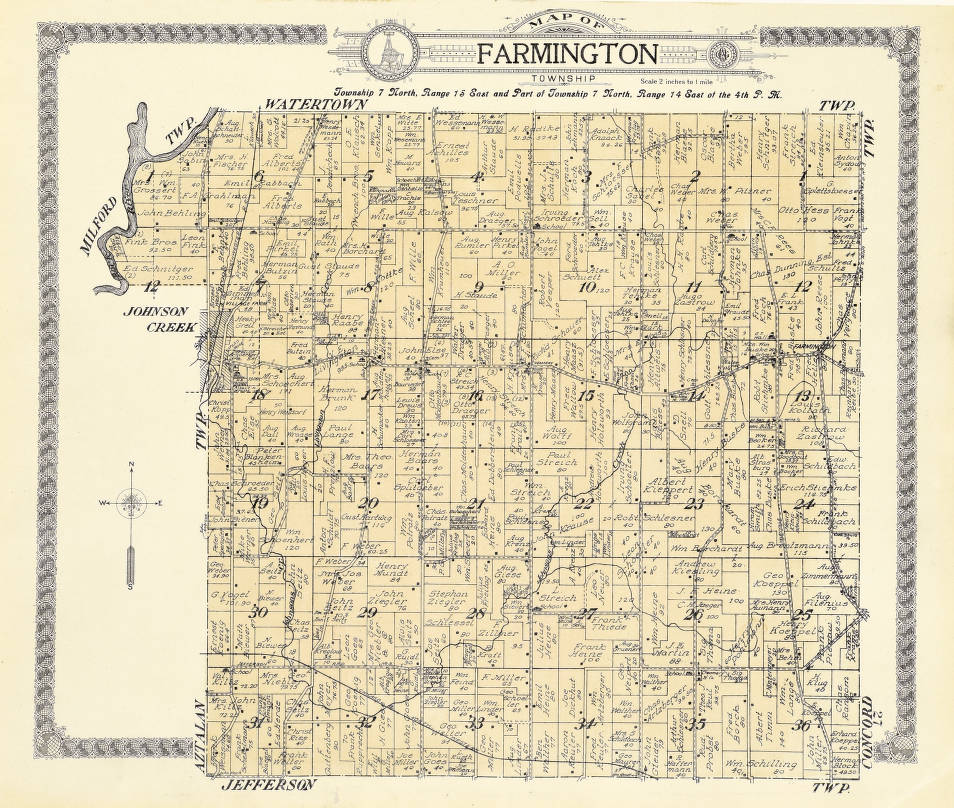
Establishment: Farmington was officially established as a town in 1848, coinciding with Wisconsin’s admission to the Union. Just prior to being known as the Town of Farmington it was briefly referred to as Waitesville. That name came from J B Waits who had purchased 40 acres just approximately one mile outside of what is today’s Farmington. JB Waits harvested a hill that had ash trees for his factory that he received patents to produce wheat sheaves and large spinning wheels. The Johnson Creek Historical Museum has one of the spinning wheels on display. It is well known that it had this name from about 1826-1847. We are not certain why its name fell out of favor, but it is widely known that Farmington was born with the state in 1848. It seems hard to believe but it was once part of the West Bend Territory. The name “Farmington” was chosen to reflect the agricultural potential of the region.
What is widely believed to have attracted many settlers to establish this area were the “Initial Survey and Land Grants”: The first surveys of the area were conducted in the late 1830s and early 1840s, were like a road map of the times. Information contained in these documents attracted settlers that sought good farmland, great hunting, fishing, pastures, tillable soil, field stones for foundations and an abundance of mature trees to build structures for homes and businesses.
Early Settlers
Demographics: The earliest settlers were primarily immigrants from Germany and Scandinavia, along with some from New England and other parts of the eastern United States.
Settlement – Economic Development and Agriculture
These settlers established farms, built log cabins, and cleared the land for cultivation. They brought with them agricultural practices from their homelands, which were adapted to the local conditions.
Dairy farming: became a cornerstone of Farmington’s economy, with farmers raising cows for milk production. This led to the establishment of creameries and cheese factories in the area. The cheese factories were all but gone by the 1970’s.
Crop Production: In addition to dairy farming, early settlers grew a variety of crops including wheat, corn, oats, and barley. These crops were essential for both local consumption and trade.
Livestock: Besides dairy cows, farmers raised pigs, chickens, and sheep, which provided additional sources of income and sustenance.
Resources: Abundant lakes, rivers and streams provided a rear-round fishing and attracted deer, turkey and geese to the area. This provide both nutrition and income for the settlers in the worst of times such as droughts or the depression.
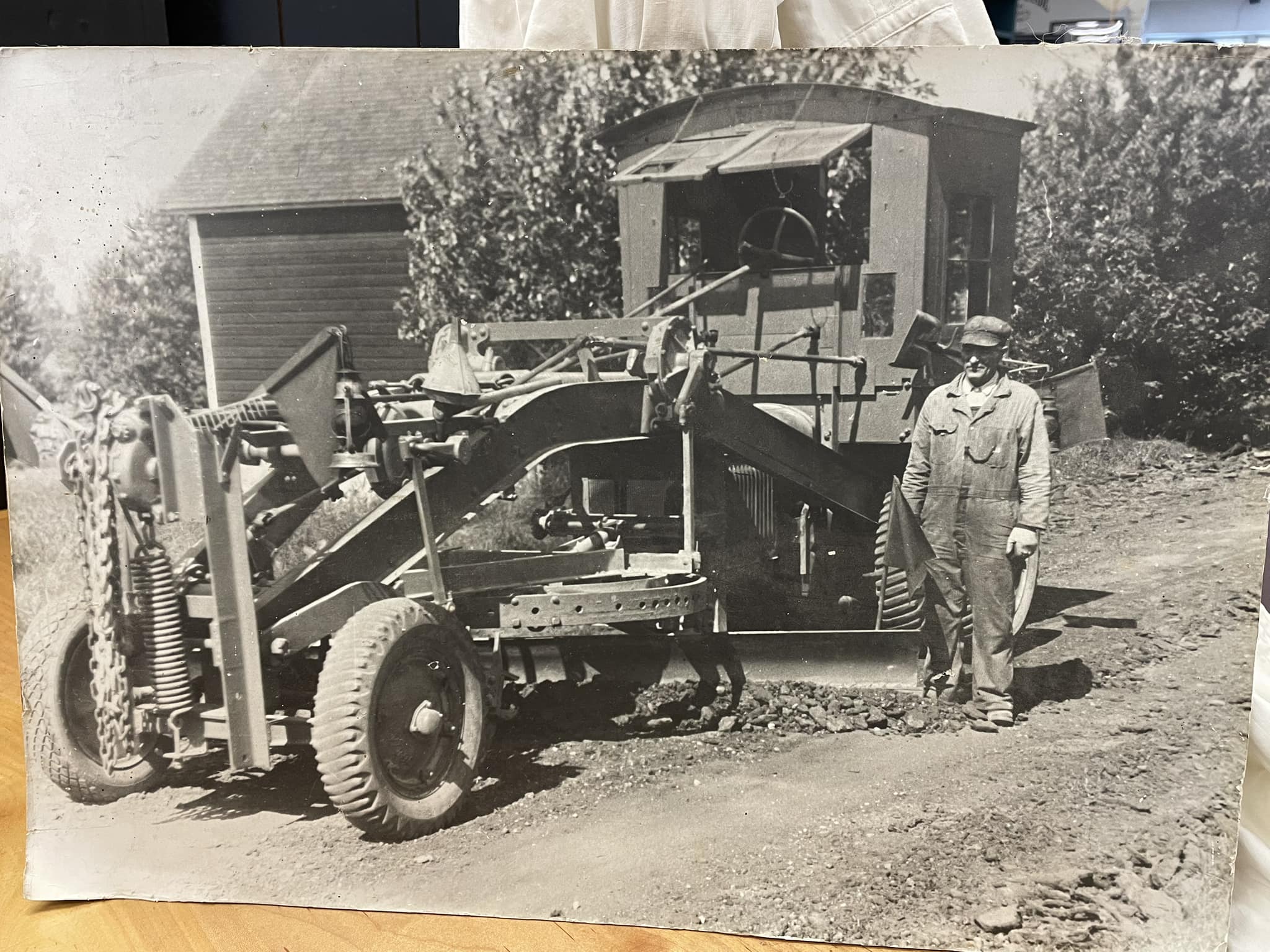
In this photo you will find Herman Brunk with his grader, Herman owned a farm near Sullivan with more than 120 Acres. His family is well established in Jefferson County and his nephew Frank Brunk served on the Town Board for several years.
Technological Advancements
Machinery: The introduction of agricultural machinery in the late 19th and early 20th centuries, such as tractors and harvesters, greatly increased productivity and efficiency on farms.
Transportation: Improved transportation infrastructure, including roads and railways, facilitated the movement of goods to and from Farmington, helping local farmers reach broader markets. The Town of Farmington, Concord and Johnson Creek all were on the main throughfare from the 1840’s through the 1960’s. Horse pulled coaches, then tough motor cars traveled between Milwaukee and Madison and enjoyed the fine restaurants, hotels and saloons that dotted these communities, But in the 1960’s the Interstate took that traffic past the Town of Farmington and its growth slowed for the first time.
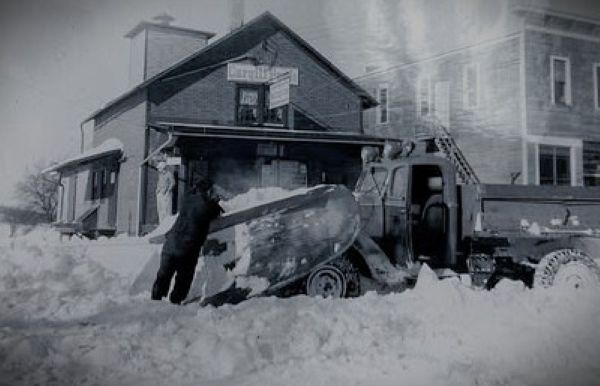
In this photo you see the massive plow utilized by the Town of Farmington and driven by Melvin Guenterberg to clear the blizzard of 1947 parked in front of the Palm Garden.
I
Community Life, Infrastructure and Institutions
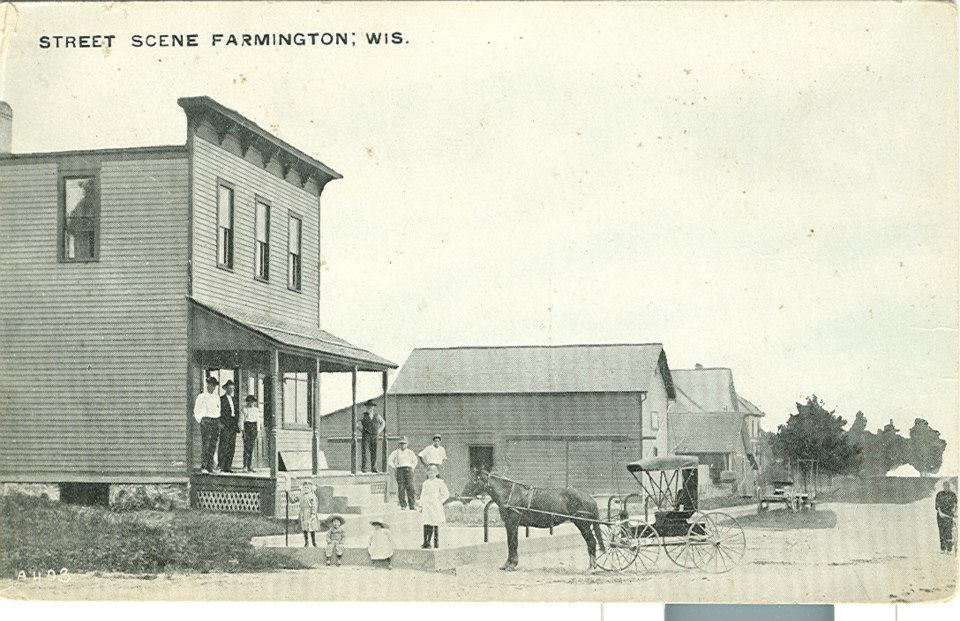
In this photo from circa 1910-1920’s are some businesses that were located on the eastern side of what is S. Farmington Road. The General Store (left to right) which also housed a slaughterhouse for chickens, ducks, turkeys, pigs, sheep, goats and cattle in the rear, to its right is a very early Auto Repair Shop (seeking the name) and Sukow’s Blacksmith Shop. Small local businesses, such as these, were established to serve the needs of the farming community.
Schools: One-room schoolhouses were established throughout the town to educate the children of settlers. At one time in Jefferson County, it was recorded that nearly 300 one-room schools existed. The schools were located about 3-4 miles apart so that walking was no more than two miles for teachers or students. Each school need to be established by groups of families and frequently were abandon when the children simply were educated or stopped attending. Education was highly valued, and these schools served as important community centers. School schedules were different in the past, allowing for children to help with chores, take time off during harvest and education was frequently stopped by the age of 14. You will even find remnants of a one room schoolhouse along Hwy B as you drive towards Johnson Creek at the corner of Christberg Road..
Churches: Churches were among the first community buildings constructed, reflecting the strong religious faith of the settlers. These churches also served as social and cultural hubs.
Social and Cultural Life
Community Events: Farmington had a tradition of community events such as fairs, barn dances, and church socials, which helped to foster a sense of community and belonging among residents. Today you’ll see the residents at the Ballpark and numerous other gatherings.
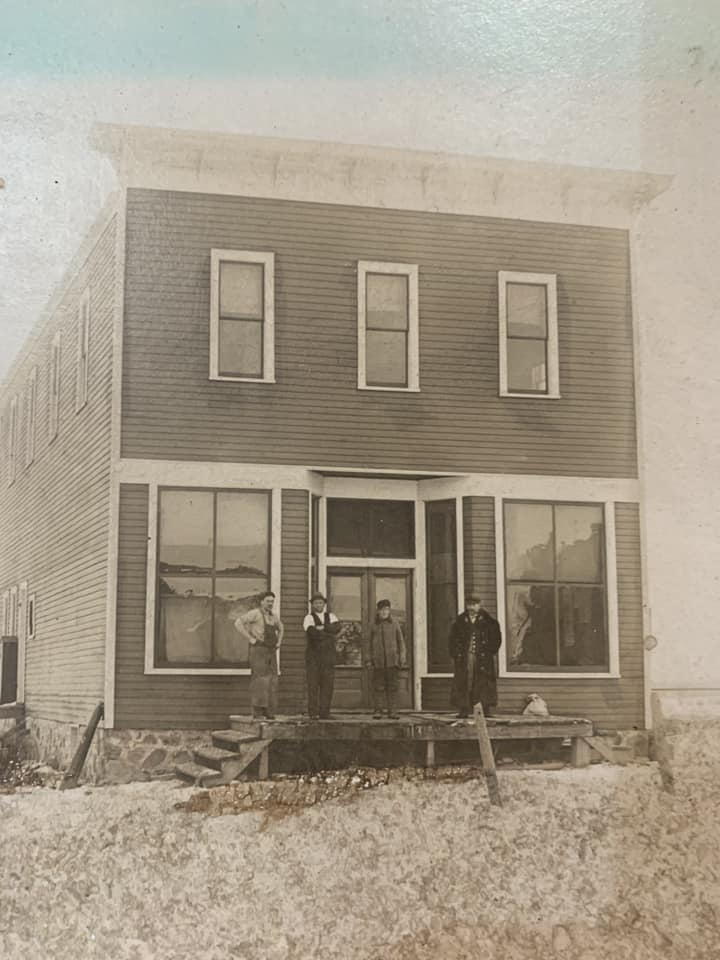
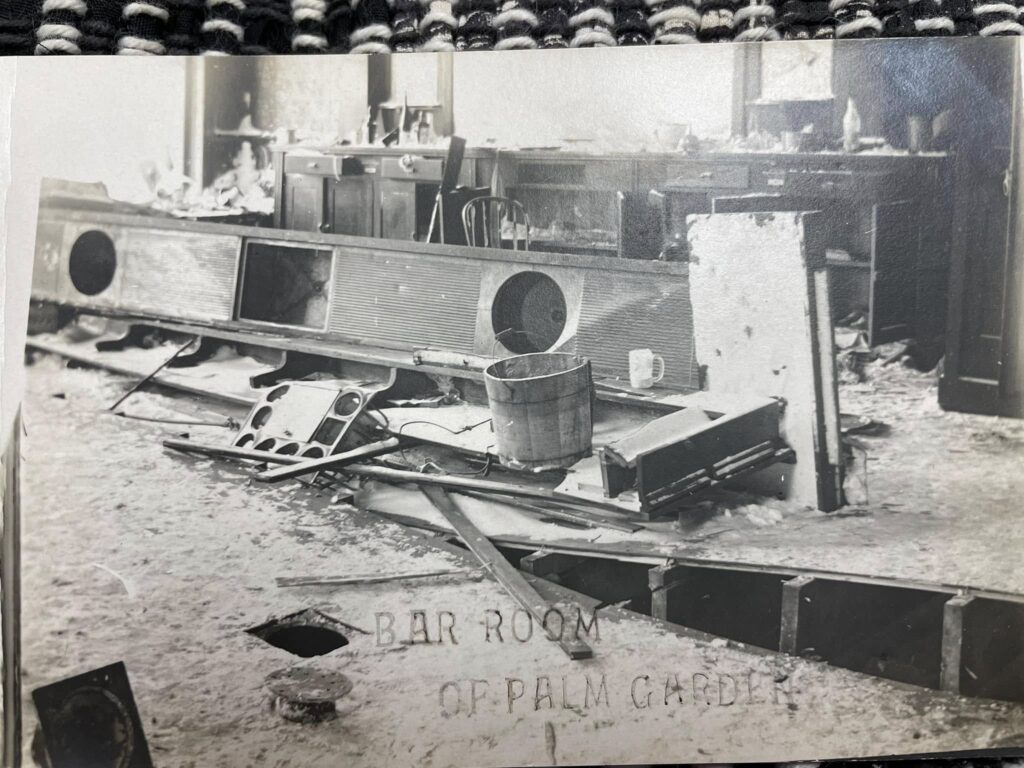
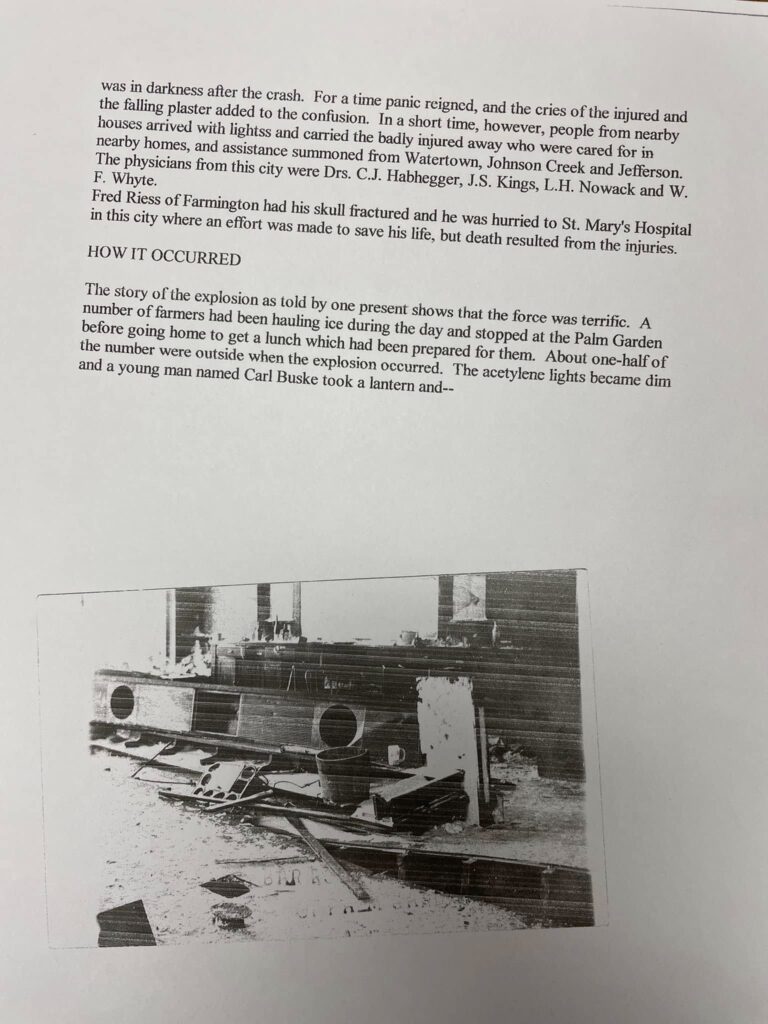
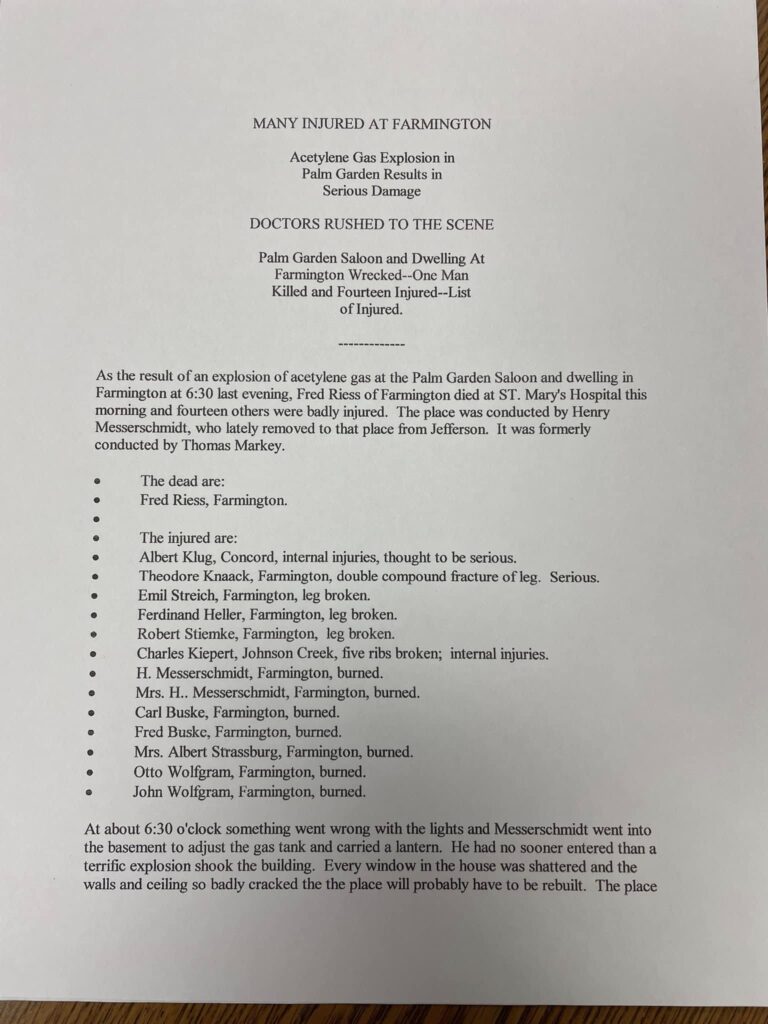
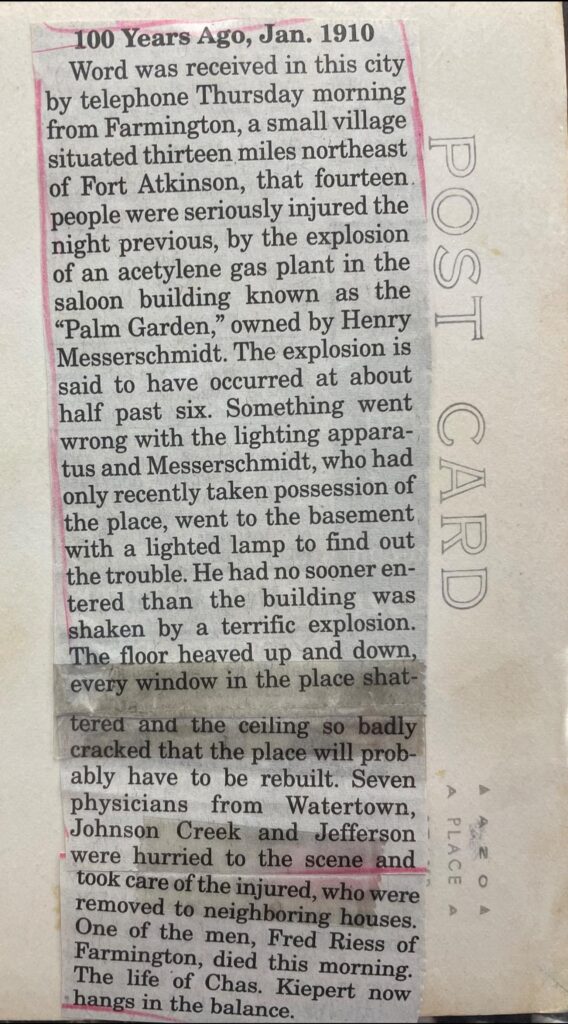
In these photos you will see the Palm Garden Saloon & Inn which was a hot spot for travelers and locals alike. Unfortunately, due to an acetylene gas explosion (January 1910) in which Fred Riess died, and fourteen others were badly injured. The new owner Mr. Messerschmidt had gone to the basement to retore lights by adjusting the gas, he had just entered the basement with a lantern when the building exploding blowing out all the windows. Neighbors quickly responded and doctors from Johnson Creek, Watertown and Jefferson responded taking the injured to St. Mary’s Hospital.
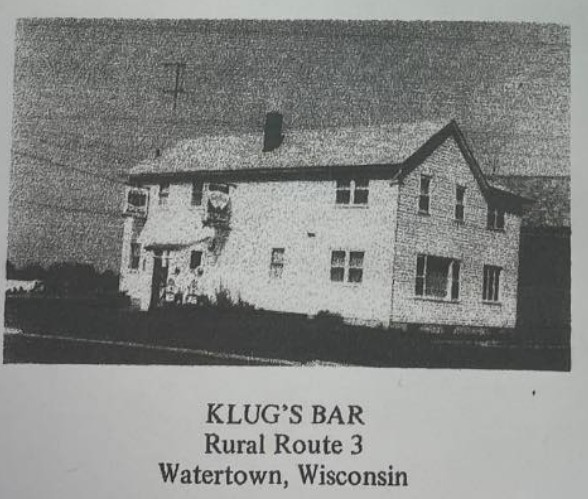
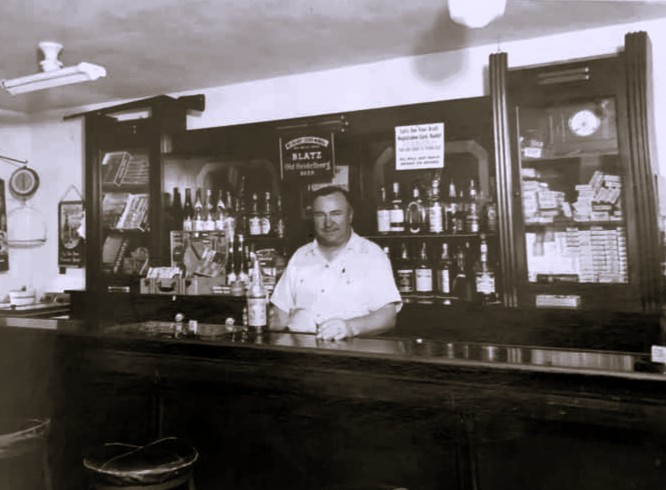
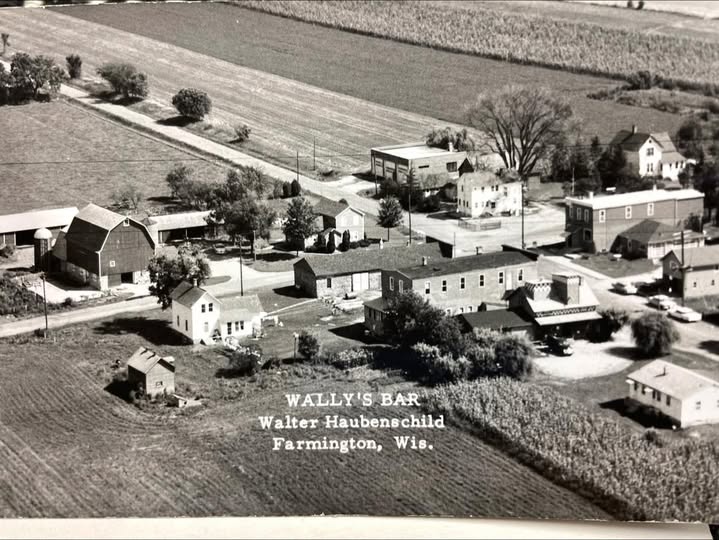
Another hotspot remembered by many was Klug’s Tavern built in 1940 by William and Anna Klug complete with living quarters above the tavern. It became Wally’s Bar in 1960 when purchased by Walter and Doris Haubenschild and remained Wally’s when Alvin Olsen took over in 1980. Briefly in was “Peppy’s in 1989-1990 when Duane and Diana Pippenger owned it. From sometime in 1990 through 1998 it was known as Pop-A-Top during under owners Harley and Diane Richardt, but it closed due to fire damage that claimed the second floor of the home. It was remodeled and has remained a family home ever since. You can see it on the corner of County B and Farmington Road.
Organizations: Various social and agricultural organizations, including farmers’ cooperatives and women’s clubs, played a significant role in the community, promoting cooperation and mutual support.
Preservation Efforts and Historical Societies
Formation: Historical societies and community members have published books and articles documenting the town’s history, providing valuable resources for both residents and historians. You can find more information at Jefferson County, Wisconsin | Wisconsin Historical Society (wisconsinhistory.org) and Johnson Creek Historical Society (johnsoncreekhistory.org)
Preservation Projects: Efforts have been made to preserve and restore historic buildings, such as old farmhouses, barns, and churches. These buildings offer a glimpse into the town’s past and are cherished by the community.
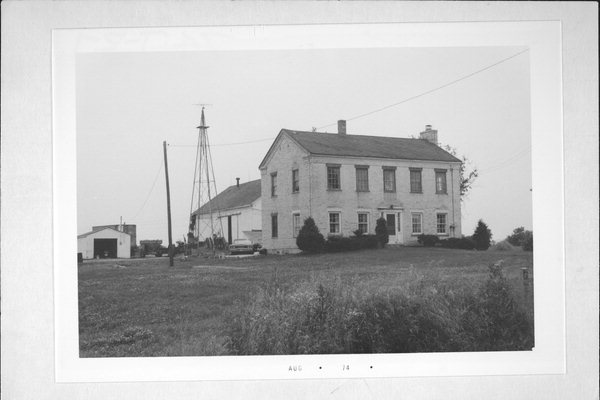
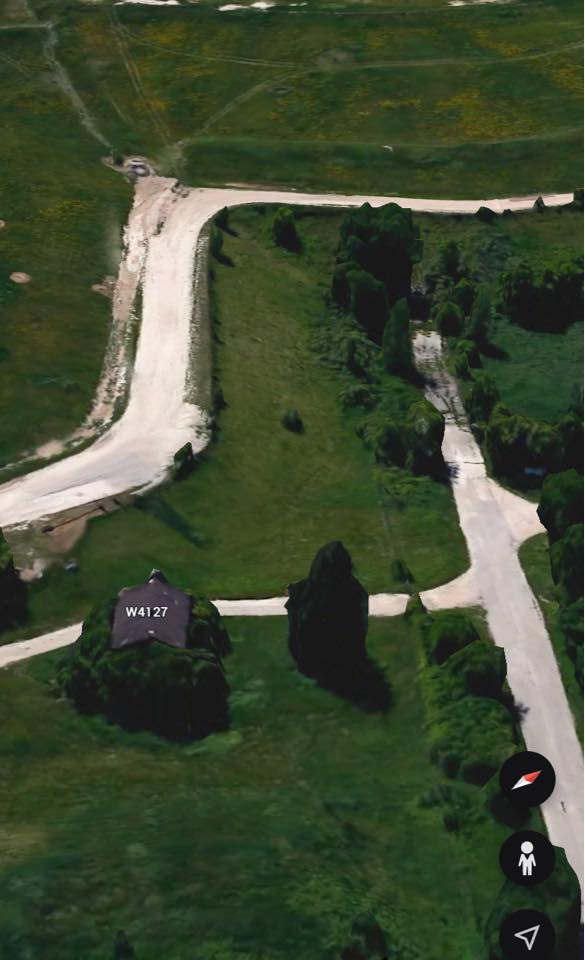
Not everything can be preserved. This home abandon decades ago is still standing and can be seen on the left side of the road as you enter the Green Box Recycling Site. It was once connected to Christberg Road but was lost to development of the interstate and eventually the landfill. The construction of this stone home must have been amazing as it stands proud to this day. A very similar abandon home is almost directly across the interstate and it too has stood the test of time and remains standing, defiant of modern progress.
Summary
The Town of Farmington in Jefferson County, Wisconsin, has a rich and detailed history that reflects the broader patterns of settlement, agriculture, and community life in rural America. Established in 1848, the town has maintained its agricultural roots while adapting to economic and technological changes over time. Community efforts to preserve and celebrate its history have ensured that Farmington’s heritage remains a vibrant part of its identity.
The history of the Town of Farmington must be viewed in the context of its glacial topography and the diverse vegetation that attracted the early settlers, and before them, the native Indian tribes. The varied topographical region of hills and valleys was created during the Wisconsin stage of the Pleistocene Ice Age.
As the glacier ice advanced and retreated, it reshaped the land, leaving it varied and picturesque, with landforms such as kettles and drumlins, rich deposits of sand, gravel, and fertile soil, and an endless variety of lakes, streams, and wetland areas. This wilderness land, abundant in natural resources, was discovered by the early Indian tribes. They depended on fishing, hunting, and gathering for survival and subsisted well on the diverse plant and animal resources. Effigy mounds, built by prehistoric Indians, are preserved in Farmington.
The glacial legacy of a gently rolling countryside, meandering streams, wetlands, and mixed vegetation provided an area rich in resources for the early settlers who arrived from Europe and the eastern United States.
The winding creeks and rivers provided water to grind grain and saw lumber, and also provided cool, clear groundwater for drinking. Lumber and glacial fieldstone were used to build homesteads, churches, and schools. The fertile land became farmland, and the sand and gravel were used to build roads.
It’s no wonder we love living in the Town of Farmington
Do you have photos of the Town of Farmington? We would appreciate you sharing them with us.
Mail to: treasurer@townoffarmington.org or clerk@townoffarmington.org
Please include any details you have explaining the back story of the photographs.
Now available is our Facebook page at: Facebook simply click here to be directed to the page.
We will be creating a photo page soon.